
Why Orange, NJ?
Orange is 2.22 square miles of industrial reinvention. Known as Hat City from the 1790s to the 1960s — at peak in 1892, 21 hat firms employed 3,700 workers producing 4.8 million hats — Orange is where the Stetson brothers started their hat business before one moved to Philadelphia to create the iconic Stetson fedora. The first electric trolley in New Jersey ran on Main Street in June 1888. The Orange Public Library was designed by McKim, Mead, and White (Stanford White's firm) and opened in 1901. The United States Radium Corporation operated here from 1917 to 1926, producing luminous watch paint that caused the Radium Girls radiation poisoning scandal — one of the landmark cases in occupational safety law. Two NJ Transit stations (Orange and Highland Avenue) on the Morris and Essex Line provide service to Penn Station and Hoboken. The Haitian-American community represents 11.4% of the population — the highest percentage in New Jersey and 8th highest nationally. At $390K with 8.2% appreciation, Orange is one of the most affordable transit-connected communities in Essex County.
Orange Real Estate Market in 2026
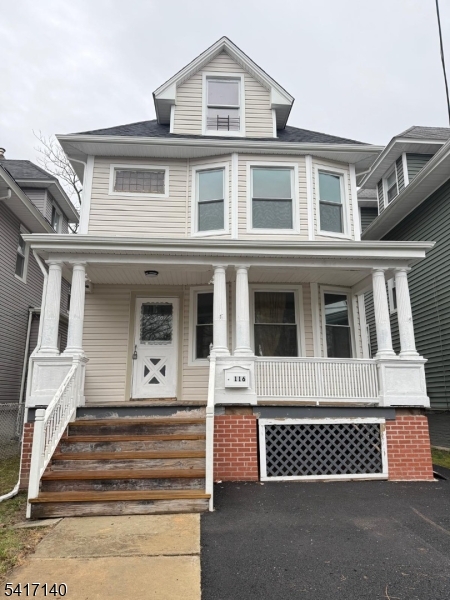
Orange homes sell in 28 days at a $390K median, appreciating at 8.2%. Victorians, colonials, and multi-family properties dominate the compact 2.22-square-mile city. Significant renovation opportunities exist in the Highland Avenue section where grand Victorians sell for a fraction of comparable homes in West Orange. Two NJ Transit stations provide Morris and Essex Line service.
Best Neighborhoods in Orange
4 distinct neighborhoods, each with its own character and price range
Valley Arts District / Station Area
$350,000 to $500,000Emerging creative hub near Orange Station converting former hat factories and industrial space into artist studios, galleries, and mixed-use creative space. The Valley Arts District is attracting artists and entrepreneurs priced out of Brooklyn and Jersey City. Walking distance to the train and Main Street commercial corridor.
Highland Avenue
$400,000 to $575,000The premium residential section near Highland Avenue Station and the West Orange border. Grand Victorians and colonials on tree-lined streets. The Orange Public Library (designed by McKim, Mead, and White, opened 1901, 200,000 volumes) is a neighborhood landmark. The most family-oriented section.
Oakwood / Central
$300,000 to $425,000Central section with affordable mixed housing types. Near Colgate Park and the Main Street commercial corridor. Strong Haitian-American community presence. Caribbean and West African restaurants and businesses. Investment opportunities with renovation potential.
South Orange Border
$375,000 to $500,000Southern section bordering South Orange with proximity to South Orange's village amenities and SOPAC. More residential character than the central and northern sections.
Commuting from Orange to NYC
Source: NJ Transit schedules, June 2026. Peak hour commute times.
Walkability and Livability in Orange
How easy is it to live car-free or car-light in Orange?
Orange Schools and Ratings
Orange Board of Education serves 5,629 students across 12 schools with an 11.1 to 1 student-teacher ratio. Orange High School (the Tornadoes, 840 students, grades 10 through 12). The Orange Public Library (designed by McKim, Mead, and White — the same firm that designed the original Penn Station) holds 200,000 volumes and opened in 1901.
Source: NCES CCD 2023 to 2024, NJDOE NJSLA 2024 to 2025
Orange Preparatory Academy School of Inquiry and Innovation
Heywood Avenue Elementary School
Rosa Parks Community School
Central Elementary School
Cleveland Street Elementary School
Forest Street Community Elementary School
Lincoln Avenue Elementary School
Oakwood Avenue Community School
Orange vs Neighboring Towns: Cost Comparison
| City | Median Price | Tax Rate | Annual Tax | NYC Commute |
|---|---|---|---|---|
| Orange | $390,000 | 3.23% | $7,890 | 28 min |
| East Orange | $380,000 | 3.12% | $8,234 | 25 min |
| West Orange | $535,000 | 2.89% | $12,345 | 42 min |
| South Orange | $775,000 | 2.78% | $17,234 | 35 min |
Where to Eat in Orange
Caribbean, Haitian, and International
Main Street offers authentic Caribbean, Haitian, and West African dining reflecting the 11.4% Haitian-American population — the highest in New Jersey and 8th highest nationally. Guyanese restaurants add South American diversity. The Valley Arts District is adding cafes and new dining concepts. The food is immigrant-driven, affordable, and culturally specific — not found at this authenticity level anywhere else in Essex County.
Parks and Recreation in Orange
Colgate Park
City park with playground and sports fields. The primary recreation space in the compact city.
Orange Reservoir
Scenic reservoir near the West Orange border providing green space and walking areas.
Valley Arts Gateway
Public spaces within the emerging arts district providing community gathering areas amid the industrial-to-creative conversion.
New Development and Growth in Orange
Valley Arts District
The city's signature revitalization project — converting former hat factories and industrial buildings into artist studios, galleries, and mixed-use creative space. Positioned to become Essex County's creative hub as artists seek affordable space near transit.
Transit-Oriented Development
Mixed-use residential development near Orange and Highland Avenue stations. The two-station advantage on the Morris and Essex Line makes Orange a natural target for transit-oriented growth.
History of Orange, NJ
Incorporated as a town on January 31, 1860. Named after William III of England, Prince of Orange. The Morris and Essex Railroad arrived in November 1836 — the first steam locomotive ran on October 2, 1837.
Orange was Hat City from the 1790s to the 1960s. At peak in 1892, 21 hat firms employed 3,700 workers producing 4.8 million hats valued at over $1 million. The Stetson brothers started their hat business here before one moved to Philadelphia to create the iconic Stetson fedora. By 1921 only 5 firms remained, and by 1960 all had departed.
The first electric trolley in New Jersey ran on Main Street in Orange in June 1888 — the Orange Crosstown Line. This was among the earliest electric streetcar operations in the United States.
The United States Radium Corporation operated in Orange from 1917 to 1926, producing luminous watch paint containing radium. The resulting Radium Girls radiation poisoning scandal became a landmark case in occupational safety law and workers' rights, leading to new safety regulations nationwide.
The Orange Public Library was designed by the legendary architectural firm McKim, Mead, and White (designers of the original Penn Station) and opened in 1901. The building holds 200,000 volumes and remains one of the most architecturally significant public libraries in Essex County.
Orange's Haitian-American community represents 11.4% of the population — the highest concentration in New Jersey and 8th highest nationally — adding Caribbean cultural identity to the city's ongoing reinvention.
Safety in Orange
Safety is improving with community policing, Valley Arts District activation bringing new activity to previously vacant areas, and investment in infrastructure. The Highland Avenue section is the safest. Buyers should visit specific blocks.
Notable Residents
Annual Events and Festivals
Frequently Asked Questions About Orange, NJ
What is the median home price in Orange, NJ?
The median home price is $390,000 as of 2026, with 8.2% year-over-year appreciation. Average $265/sqft, selling in 28 days.
How long is the commute from Orange to NYC?
28 minutes via NJ Transit from Orange Station on the Morris & Essex Line. Transfer required.
What are property taxes in Orange, NJ?
Tax rate is 3.23%. Average homeowner pays $7,890/year. At the median price of $390,000, expect about $12,597/year.
What are the best neighborhoods in Orange?
Valley Arts District / Station Area ($350,000 to $500,000). Highland Avenue ($400,000 to $575,000). Oakwood / Central ($300,000 to $425,000). South Orange Border ($375,000 to $500,000). See the full guide above for all 4 neighborhoods.
Is Orange safe?
Safety is improving with community policing, Valley Arts District activation bringing new activity to previously vacant areas, and investment in infrastructure. The Highland Avenue section is the safest. Buyers should visit specific blocks.
How walkable is Orange, NJ?
Walk Score of 72, rated "Very Walkable." Median income $48,000, median age 34.2. 68% renter-occupied.
Homes for Sale in Orange, NJ
Ready to Find Your Home in Orange?
Talk to a Premier Homes agent who knows Orange inside and out. We have been serving this community for over 30 years.